




The Great British summer brings with it a collective desire to throw open the doors and gather under the open sky. From milestone birthdays to intimate garden parties, hosting an outdoor celebration is a time-honoured tradition in England. However, creating an event that feels genuinely sophisticated requires something more distinctive than standard garden furniture. To craft a truly memorable setting, discerning hosts are increasingly turning to traditional Indian garden tents. These magnificent structures offer an unparalleled blend of heritage, artistry, and shelter, transforming any lawn into an exotic and luxurious oasis.

At Parasol UK, we appreciate the beauty of exceptional craftsmanship and the joy of outdoor entertaining. While our garden parasols offer the perfect respite for daytime lounging, these traditional tents provide an expansive, immersive environment for hosting grander celebrations. They bring a rich sense of history and vibrant textile design into the classic English garden landscape, ensuring your event stands out.
A Rich Heritage of Grandeur and Artistry
The history of traditional Indian garden tents is steeped in royal luxury. For centuries, emperors and maharajas used these elaborate structures as mobile palaces during royal processions, military campaigns, and lavish celebrations. They were designed not just for shelter, but to display immense wealth, artistic taste, and hospitality. Every stitch, pattern, and tassel carried meaning, showcasing the finest textile techniques of the region.
Bringing this royal tradition into a British context creates a captivating contrast. The structured symmetry, pointed peaks, and sweeping canvas lines of a traditional tent look spectacularly handsome against the soft backdrop of an English lawn, stone walls, or manicured hedgerows. It bridges the gap between historical majesty and contemporary outdoor luxury, providing a spectacular conversation starter for your guests the moment they arrive.
Exquisite Handcrafted Details
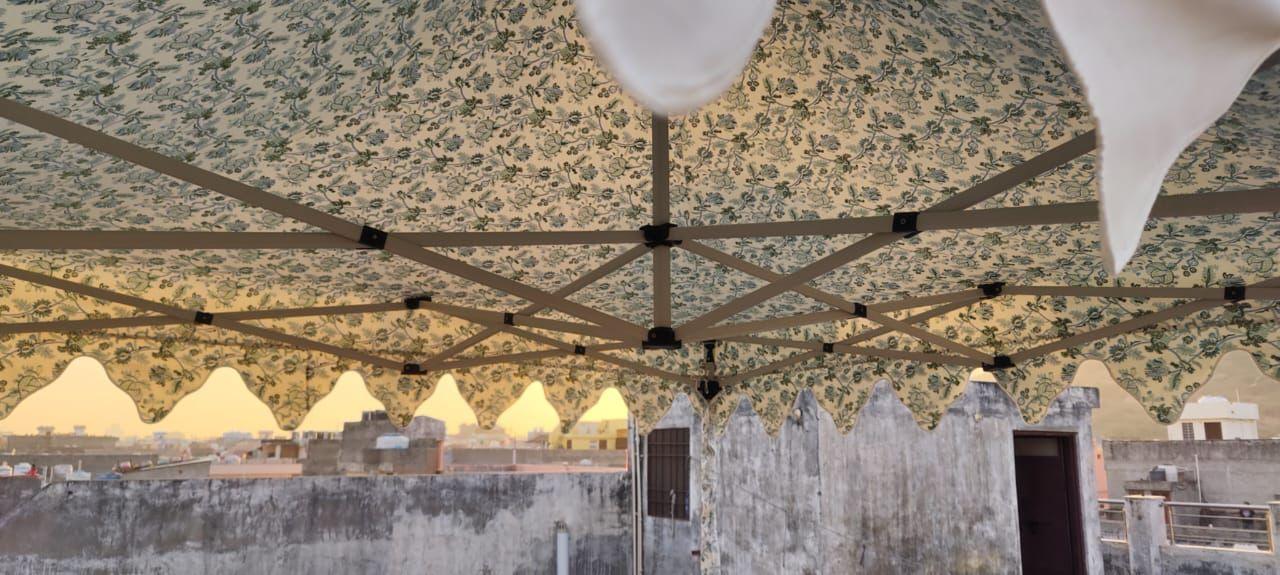
What sets traditional Indian tents apart from standard modern marquees is the extraordinary level of hand craftsmanship involved in their creation. These are not mass-produced synthetic shelters, but rather works of art crafted from premium natural materials. The outer canopy is typically made from robust, heavy-duty cotton canvas that is treated to withstand the elements, a crucial feature given the unpredictable nature of British weather.
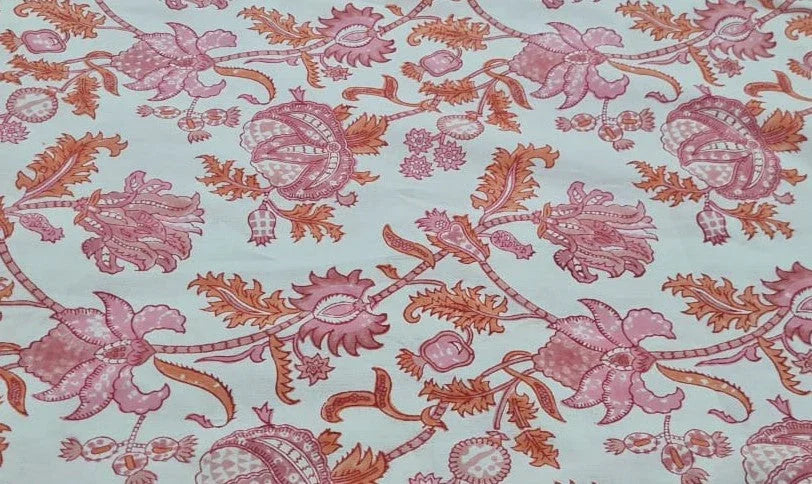
The true magic, however, is revealed when you step inside. The interior lining of these tents is where artisans truly showcase their skill. Intricate block printing, delicate embroidery, and traditional motifs cover the walls and ceiling, creating a rich canopy of pattern and colour. Whether it is a classic geometric design or a flowing botanical print, the interior fabric catches the light beautifully, casting a warm and inviting glow over the entire space. This attention to detail creates an atmosphere of intimacy and exclusivity that a plain white marquee simply cannot replicate.
Defining Your Celebration Space
One of the greatest advantages of introducing an Indian garden tent to your outdoor event is its ability to define a space. Rather than having guests scattered aimlessly across the lawn, a tent creates a natural destination and a focal point for the festivities. It functions as an outdoor ballroom, a sheltered dining room, or a sumptuous lounge area filled with low seating and plush floor cushions.
The open-fronted design of many traditional tents allows for a seamless flow between the covered interior and the open garden. Guests can drift effortlessly inside to sample food or seek shade, and then step back out onto the grass. This versatility makes them exceptionally well-suited for day-long celebrations that transition from afternoon tea into evening cocktails, ensuring your guests remain comfortable regardless of how the temperature fluctuates.
Styling Your Tent for Maximum Impact
An Indian garden tent provides an exceptional canvas for your personal styling choices. To complement the rich textures and patterns of the fabric, look to natural materials and warm metallic accents. Low wooden tables, woven rugs, and brass lanterns work beautifully to enhance the authentic, exotic aesthetic.
Flowers also play an integral role in tying the structure into the surrounding garden. Symmetrical arrangements of vibrant blooms, or simple garlands draped along the entrance arches, bridge the gap between the structured tent and the natural flora. For an evening celebration, lighting is paramount. The canvas ceiling is the ideal framework for hanging delicate fairy lights, traditional glass lanterns, or even a statement chandelier. As dusk falls, the light filters through the patterns of the fabric, creating a magical, glowing sanctuary that keeps the party going long into the night.
Practicality for the British Climate
While these structures are undeniably beautiful, they are also highly practical additions to an English summer event. The British sun can be surprisingly intense at midday, and providing a generous area of deep, cooling shade is essential for the comfort of your guests. The breathable nature of heavy cotton canvas ensures that the interior of the tent remains cool and airy, avoiding the stuffy atmosphere often found under synthetic materials.
Equally, should a classic summer drizzle arrive, the water-resistant canvas provides reliable shelter, allowing the celebration to continue without interruption. The sturdy poles and secure guy ropes provide excellent stability, ensuring that your beautiful setting remains safe and secure even if an afternoon breeze picks up. This combination of robust functionality and high style offers complete peace of mind for any host.
Preserving the Splendour
To ensure your traditional tent remains a centerpiece for many celebrations to come, a small amount of care is required. Because they are made from natural cotton fabrics, it is vital that the tent is never packed away while damp. After a weekend of festivities, allowing the canvas to dry completely in the sun before dismantling it is the single most important step in preventing mildew. Storing the frame and fabrics in a dry, well-ventilated space during the winter months guarantees that it will emerge the following spring looking just as crisp, vibrant, and spectacular as the day it arrived.
Final Thoughts on Outdoor Hosting
A stylish outdoor celebration is about creating an experience that feels uplifted, comfortable, and distinctly unique. Traditional Indian garden tents offer an extraordinary way to transform a standard garden gathering into an unforgettable event. By bringing together centuries of design heritage, exceptional hand craftsmanship, and practical outdoor shelter, these structures provide the ultimate setting for summer luxury. Paired with your favourite garden parasols and thoughtful styling, an Indian tent ensures your home remains the destination of choice for beautiful summer memories.
FAQs
Are traditional Indian garden tents suitable for a typical British rain shower?
Yes, the outer canopy of these luxury tents is crafted from heavy-duty cotton canvas that is treated to be water-resistant. While they are designed primarily for summer celebrations, they will easily keep your guests perfectly dry during a passing British drizzle or a light summer downpour.
How do you secure these tents on a hard patio or decking area?
Traditional Indian tents are designed to be pitched on a soft surface like a lawn because they rely on pegs and guy ropes for structural stability. If you wish to set one up on a hard surface, you will need to secure the ropes to heavy weights such as stone planters or ballast blocks rather than driving pegs into the ground.
Can one person set up a garden tent without professional help?
Due to the size and weight of the premium canvas and the structural poles, we highly recommend having at least two to three people available to assist with the setup. This ensures the frame can be lifted evenly and the fabric can be stretched securely without putting undue stress on the materials.
How do I clean the intricate interior lining if it gets marked?
Because the interior linings feature delicate hand craftsmanship and traditional block printing, you should avoid harsh chemical cleaners or machine washing. Any light marks or dust should be gently brushed off when dry or spot cleaned carefully using a damp sponge with mild soapy water.
What is the best way to store the tent after a summer event?
The most important rule is to ensure that the canvas and the decorative lining are completely dry before taking them down. Packing away damp natural cotton will cause mildew to form, which can ruin the fabric. Once dry, store all components in a well-ventilated room or garage away from damp and frost.
Do these tents provide good ventilation on a very hot day?
Unlike modern synthetic marquees, which can become incredibly hot and stuffy, heavy cotton canvas is naturally breathable. The open-fronted design allows for excellent airflow, meaning the interior remains beautifully cool and shaded even during the hottest part of a British summer afternoon.