


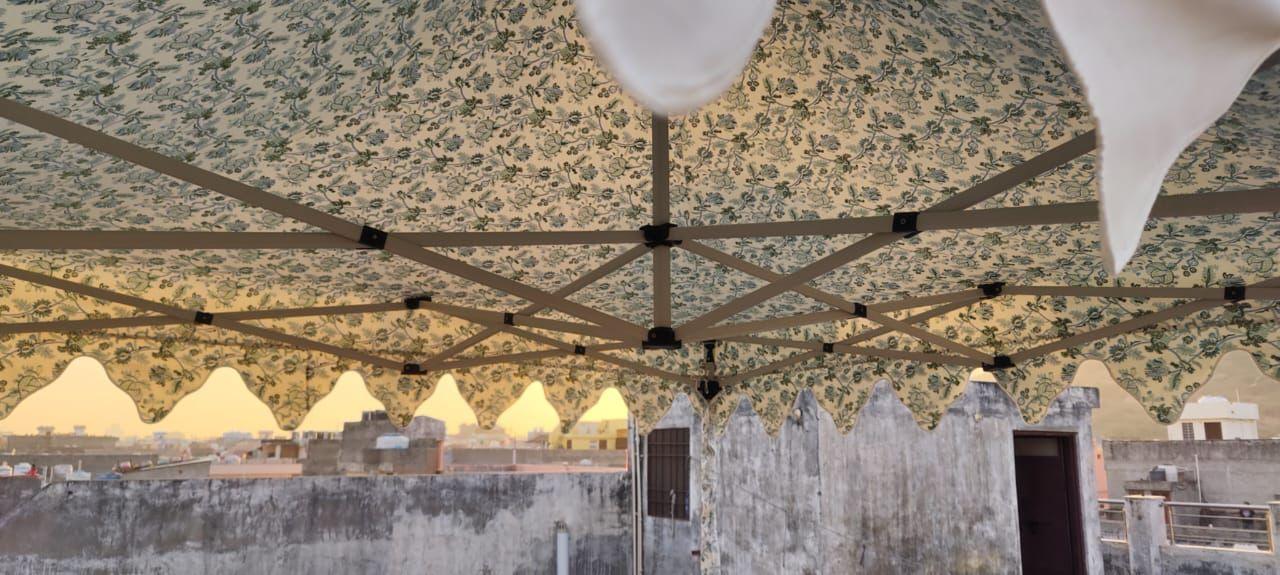


Across the United Kingdom and Europe, outdoor living has evolved far beyond simple patio furniture and temporary shelters. Today’s homeowners, event stylists and hospitality venues are seeking distinctive, design-led structures that offer both practicality and presence. Among the most striking of these are Indian garden tents elegant, handcrafted structures rooted in centuries of tradition.

But what is the heritage behind Indian garden tents, and why are they becoming increasingly popular across Europe?
Let’s explore their story.
A Legacy of Royal Craftsmanship
Indian garden tents trace their origins back hundreds of years to the royal courts of Rajasthan and Mughal India. Historically, elaborate tents were used by emperors and nobility for outdoor gatherings, ceremonial events and travelling courts.
These were not simple canvas shelters. They were
- Handcrafted using traditional weaving techniques
- Decorated with intricate block printing
- Adorned with detailed patterns inspired by nature and architecture
- Designed as luxurious mobile pavilions
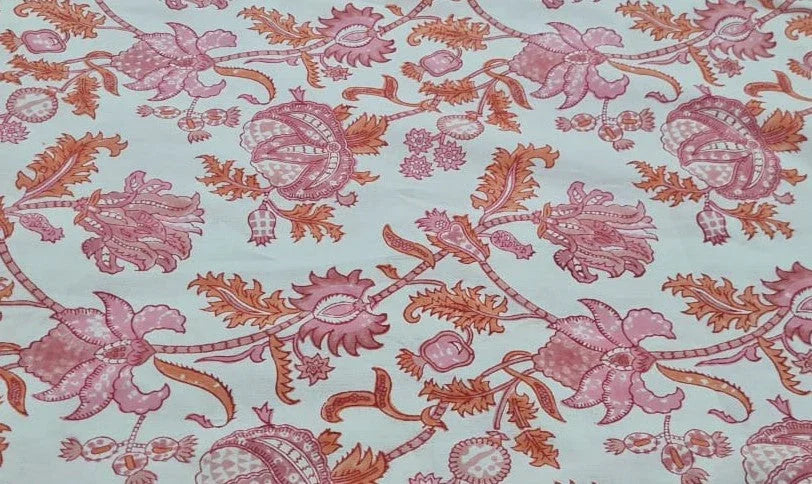
Artisans used carved wooden blocks to hand-print floral and geometric motifs onto natural cotton fabrics. Each pattern required precision, patience and skill and every piece was slightly unique due to the handcrafted process.
This rich heritage remains central to authentic Indian garden tents today.
The Art of Block Printing
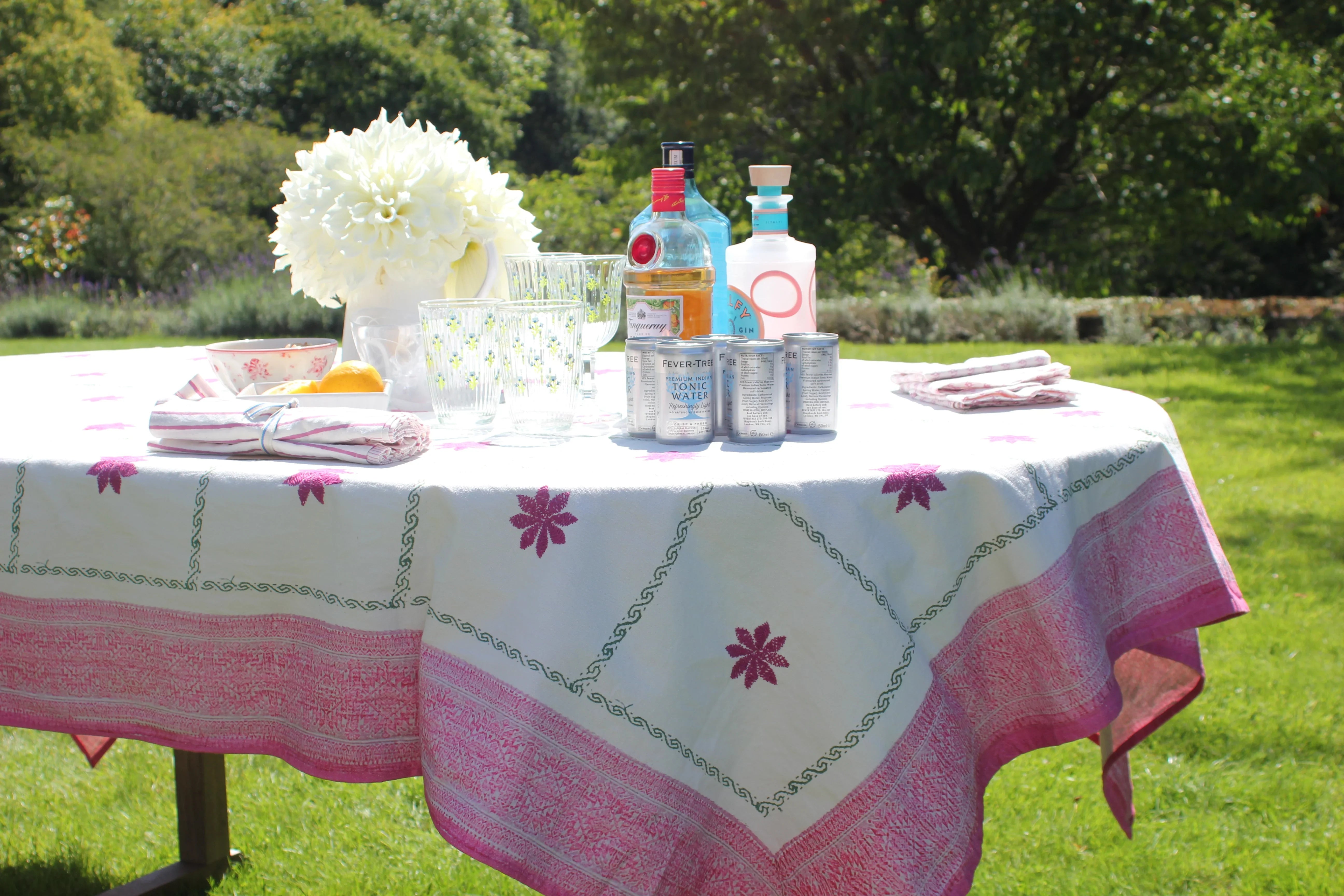
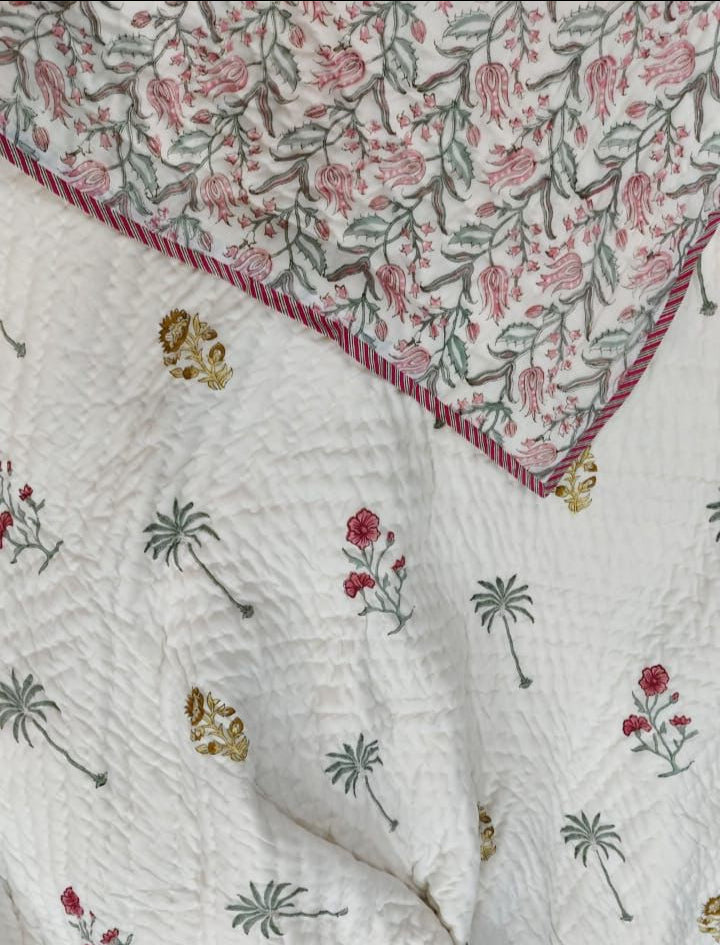
At the heart of many Indian garden tents is block printing, a centuries-old textile technique. Skilled craftspeople carve patterns into wooden blocks, dip them into natural or pigment-based dyes, and press them onto fabric by hand.
The result?
- Deep, layered patterns
- Subtle variations that signal authenticity
- A tactile, artisanal finish impossible to replicate through mass production
For European buyers seeking individuality and craftsmanship, this element alone sets Indian garden tents apart from standard gazebos or machine-printed structures.
From Royal Courts to European Gardens
In recent years, Indian garden tents have found a natural home in
- English country gardens
- Mediterranean villas
- French châteaux
- Coastal properties
- Luxury boutique hotels
Their ornate patterns complement traditional British landscaping just as effortlessly as they enhance contemporary outdoor spaces.
The rise of outdoor entertaining across the UK has accelerated demand. Homeowners increasingly host
- Summer garden parties
- Wedding receptions
- Afternoon teas
- Corporate gatherings
- Private celebrations
An Indian garden tent provides not just shelter, but atmosphere.
Why Indian Garden Tents Are Growing in Popularity Across Europe
Several factors have contributed to their surge in demand.
1. A Shift Towards Outdoor Living
Post-pandemic lifestyle changes encouraged people to invest more in their homes and gardens. Across Europe, outdoor areas are now viewed as extensions of interior living spaces.
Indian garden tents create
- Defined seating areas
- Shaded dining spaces
- Elegant entertaining zones
They bring structure and refinement without permanent construction.
2. Desire for Authentic Craftsmanship
European consumers are increasingly drawn to artisanal, slow-made products. There is growing appreciation for heritage craft over factory-made alternatives.
Indian garden tents represent
- Traditional textile artistry
- Ethical, handcrafted production
- Sustainable materials such as cotton canvas
For buyers in the UK especially, where heritage and craftsmanship are highly valued, this resonates strongly.
3. Statement Design in Garden Styling
Minimalist garden structures have long dominated the market. However, there is a noticeable shift towards expressive, patterned design.
Indian garden tents add
- Rich colour palettes
- Intricate detailing
- A focal point within landscaped gardens
They work beautifully alongside rattan furniture, antique wooden tables, festoon lighting and floral arrangements.
4. Wedding & Event Appeal
Across Europe, wedding styling has embraced bohemian, festival-inspired and heritage themes. Indian garden tents fit seamlessly into
- Outdoor wedding ceremonies
- Reception lounges
- Luxury festival events
- Boutique corporate gatherings
Their visual impact reduces the need for excessive decoration, as the tent itself becomes part of the décor.
Balancing Beauty with Practicality
While rooted in heritage, modern Indian garden tents are designed with contemporary use in mind.
Reputable suppliers ensure
- Durable, heavyweight fabrics
- Strong structural frameworks
- Designs suited to European climates
- Ease of assembly and dismantling
For UK buyers in particular, weather resilience is a key consideration. Quality Indian garden tents are suitable for seasonal use and summer events, providing both shade and shelter.
Indian Garden Tents vs Standard Gazebos
Many buyers initially consider a standard gazebo but quickly discover the difference in character.
| Standard Gazebo | Indian Garden Tent |
|---|---|
| Machine-produced | Handcrafted |
| Plain or minimal design | Intricate block-printed patterns |
| Functional | Functional + decorative |
| Often synthetic fabrics | Natural cotton canvas |
An Indian garden tent is not simply a structure; it is an experience.
A Timeless Investment for European Gardens
What makes Indian garden tents particularly appealing in Europe is their timelessness. Unlike trend-driven garden accessories, their design is rooted in history.
They complement
- Traditional English gardens
- Modern minimalist landscapes
- Rustic countryside estates
- Luxury hospitality settings
Their versatility ensures they feel neither overly traditional nor overly contemporary striking a balance that appeals widely across the UK and mainland Europe.
The heritage behind Indian garden tents is one of royal craftsmanship, artistic dedication and textile mastery. Today, that same spirit of artistry continues to attract European homeowners and event designers seeking something distinctive.
As outdoor living becomes increasingly important across the UK and Europe, Indian garden tents offer more than shelter. They provide character, culture and craftsmanship transforming gardens into spaces of beauty and occasion.
For those looking to invest in a structure that blends tradition with modern outdoor living, Indian garden tents represent a refined and enduring choice.
FAQS
What are Indian garden tents?
Indian garden tents are handcrafted outdoor tents made from cotton canvas, often decorated with traditional block-printed patterns.
What makes Indian garden tents unique?
They are handmade using heritage techniques, giving each tent distinctive patterns and character.
Are Indian garden tents suitable for UK weather?
Yes, they are ideal for spring and summer use in the UK. They should be stored during severe winter weather.
What is block printing?
Block printing is a traditional method where wooden blocks are used to hand-print patterns onto fabric.
Can Indian garden tents be used for weddings and events?
Yes, they are popular for garden weddings, parties and luxury outdoor events.
Are Indian garden tents waterproof?
They are made from durable canvas and may include weather-resistant treatment, but prolonged heavy rain should be avoided.
How do you maintain an Indian garden tent?
Keep it dry, clean gently with mild soap, and store in a cool, dry place when not in use.
Where can I buy Indian garden tents in the UK?
They are available from specialist luxury garden tent suppliers offering handcrafted designs.